Consent

This site uses third party services that need your consent. Learn more

Skip to content

Childhood Dementia

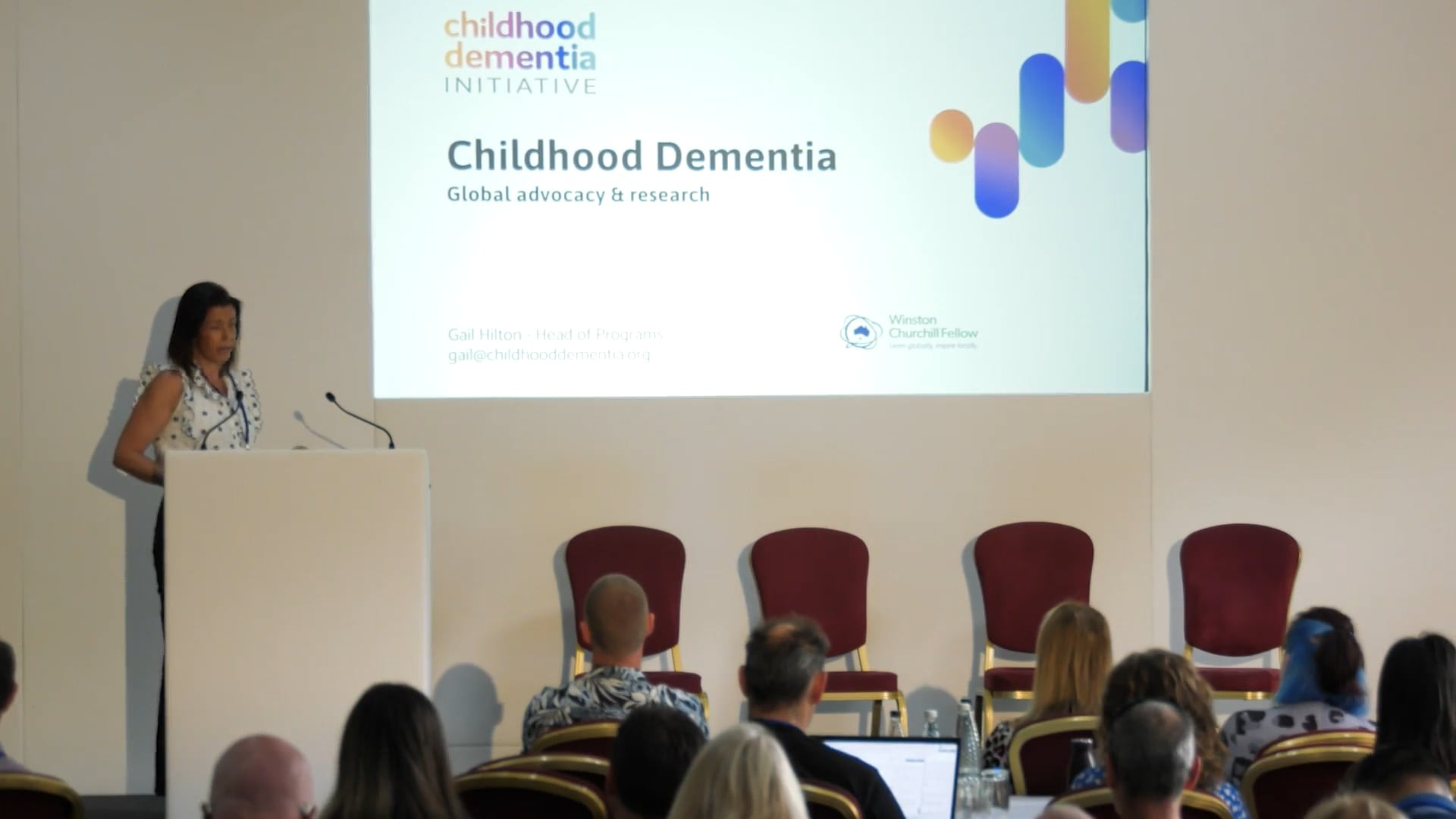
Many people associate dementia with older adults, but more than 120 rare genetic conditions can cause dementia in childhood.

For our community, this includes children with MPS III Sanfilippo, MPS II Hunter, MPS I Hurler and Metachromatic Leukodystrophy (MLD) where the condition causes progressive damage to the brain.

Children affected may gradually lose the skills they have learned, including speech, mobility, memory, communication and independence.

Despite the devastating impact on families, childhood dementia remains poorly recognised in healthcare policy and public awareness. It’s not ok for families to be left feeling isolated and unsupported.

Time won't wait

The clock is ticking for these children. As damage is progressive we need to take action now. Donate today to help us raise awareness, support research and fight for treatments for childhood dementia related conditions.

Leni in pink dungarees lies next to a copy of a book called Saving Leni.

The reality for many families

Families affected by childhood dementia face significant challenges. These can include:

  • Delays in diagnosis and a lengthy search for answers

  • Behavioural symptoms being misunderstood or mislabelled as ADHD, autism or poor behaviour

  • Progressive loss of speech, mobility, memory and daily living skills

  • The need for constant supervision to keep their child safe

  • Increasing physical care needs as the condition progresses

  • Emotional stress, anxiety, exhaustion and anticipatory grief

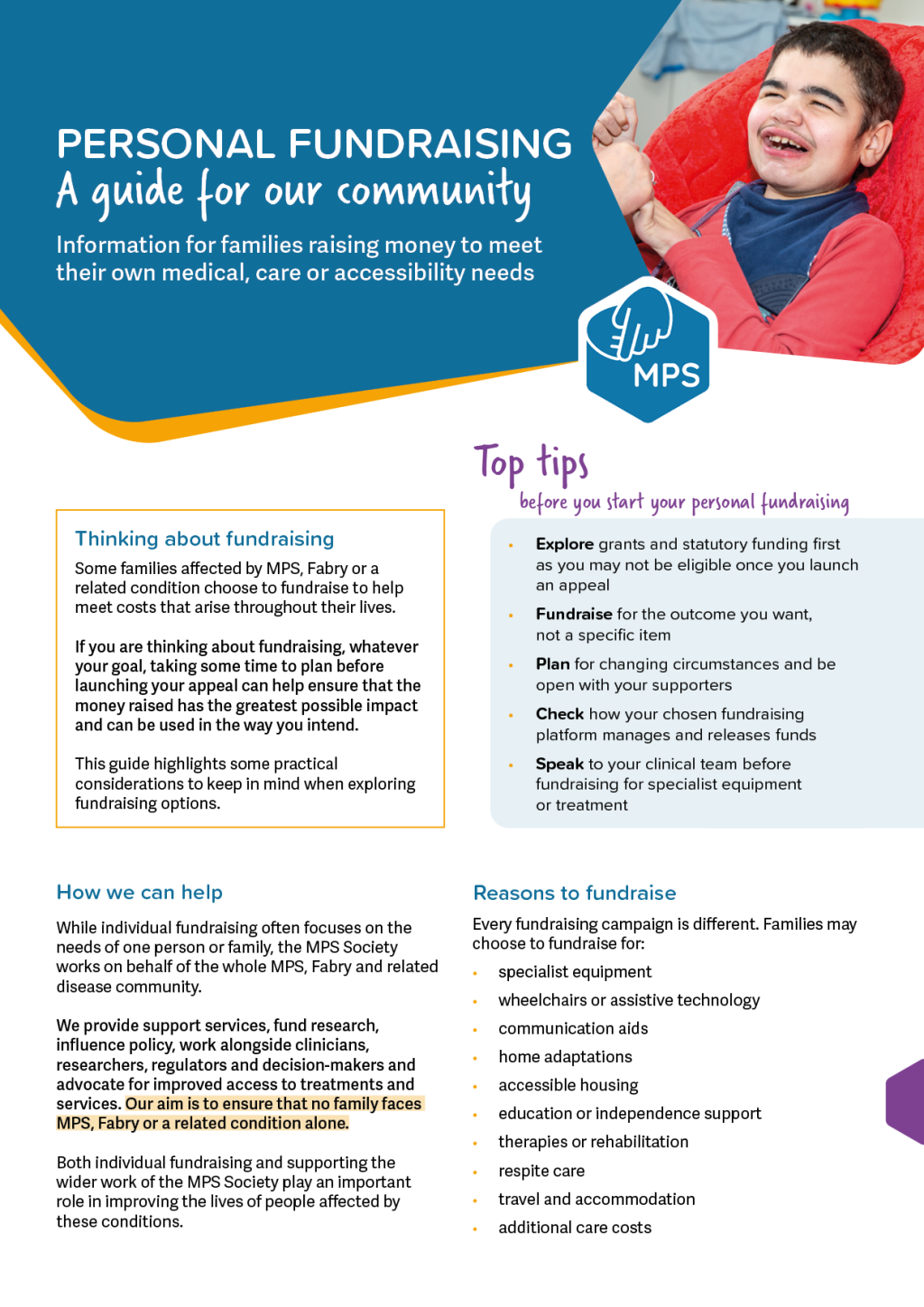
  • Financial pressures caused by loss of income, specialist equipment, home adaptations and travel to appointments

  • Difficulties navigating complex health, education and social care systems

Research and family surveys consistently show that parents often become full-time carers and care coordinators, spending many hours every week managing medical, educational and social care needs while also advocating for services.

What families told us

At the MPS Matters 2025, families took part in a survey exploring their experiences and understanding of childhood dementia. The findings highlighted these common themes:

  • Childhood dementia remains poorly understood

  • Families often experience fragmented and poorly coordinated care

  • Parents frequently have to act as advocates and coordinators themselves

  • Emotional, practical and financial support is inconsistent

  • The impact on parents' mental health can be profound

  • Families believe children should be included in dementia policies and strategies

These findings help shape our future priorities and strengthen our advocacy for affected families.

Childhood Dementia UK

Working with the UK LSD Collaborative, we are helping to develop an ambitious vision for improving awareness and support for childhood dementia across the UK.

Childhood Dementia UK is a new campaign bringing people and organisations together to improve awareness, understanding and, ultimately, the response for children and families affected by childhood dementia.

Resources

Latest updates